
.jpg)

Good Day Latte exceeded its redemption target by more than half through a value offer powered by Grivy's multi-channel performance engine, converting competitor-brand drinkers into purchases and strengthening brand equity.
Finding Growth When Awareness Is Already at Its Ceiling
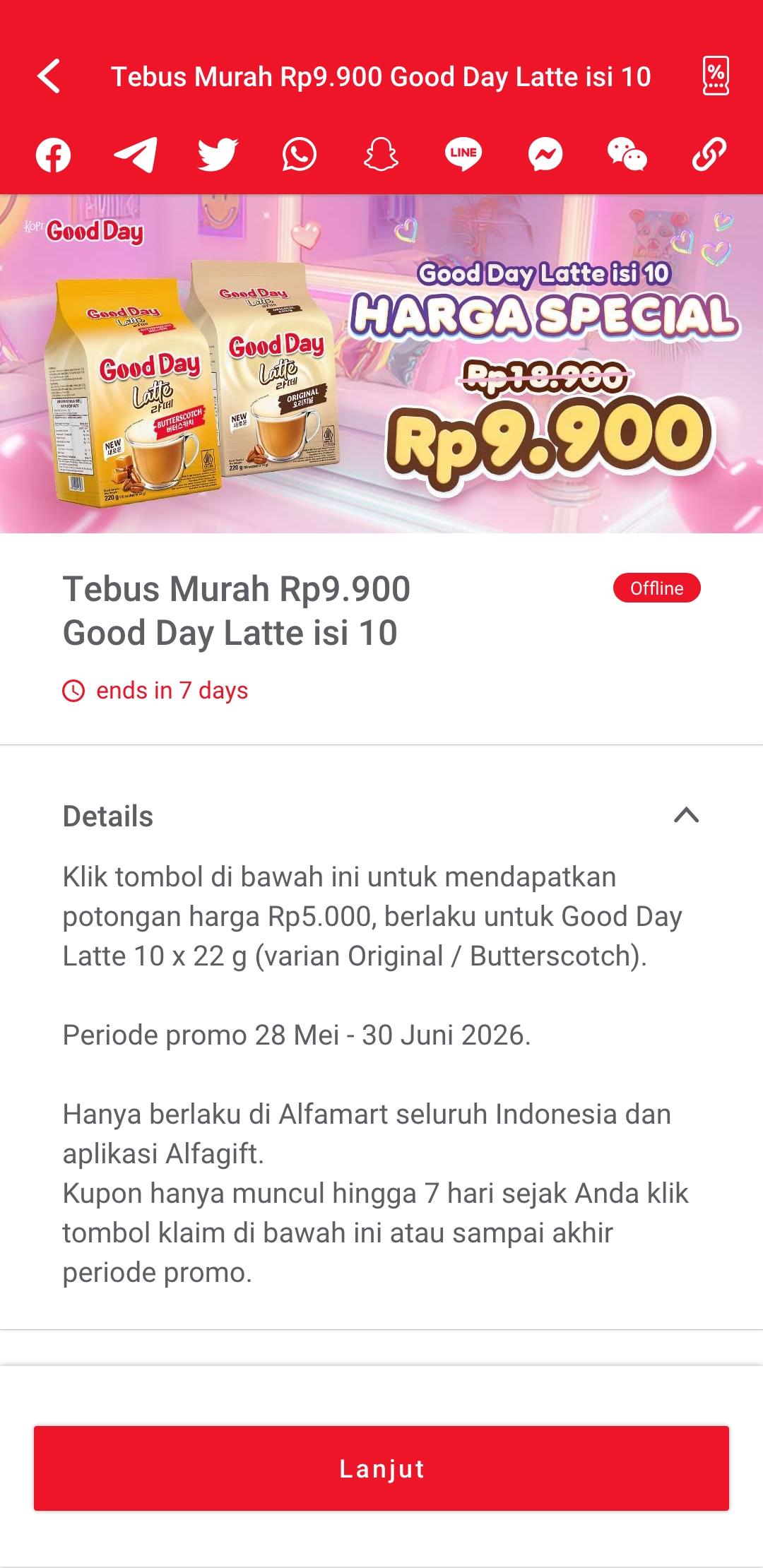
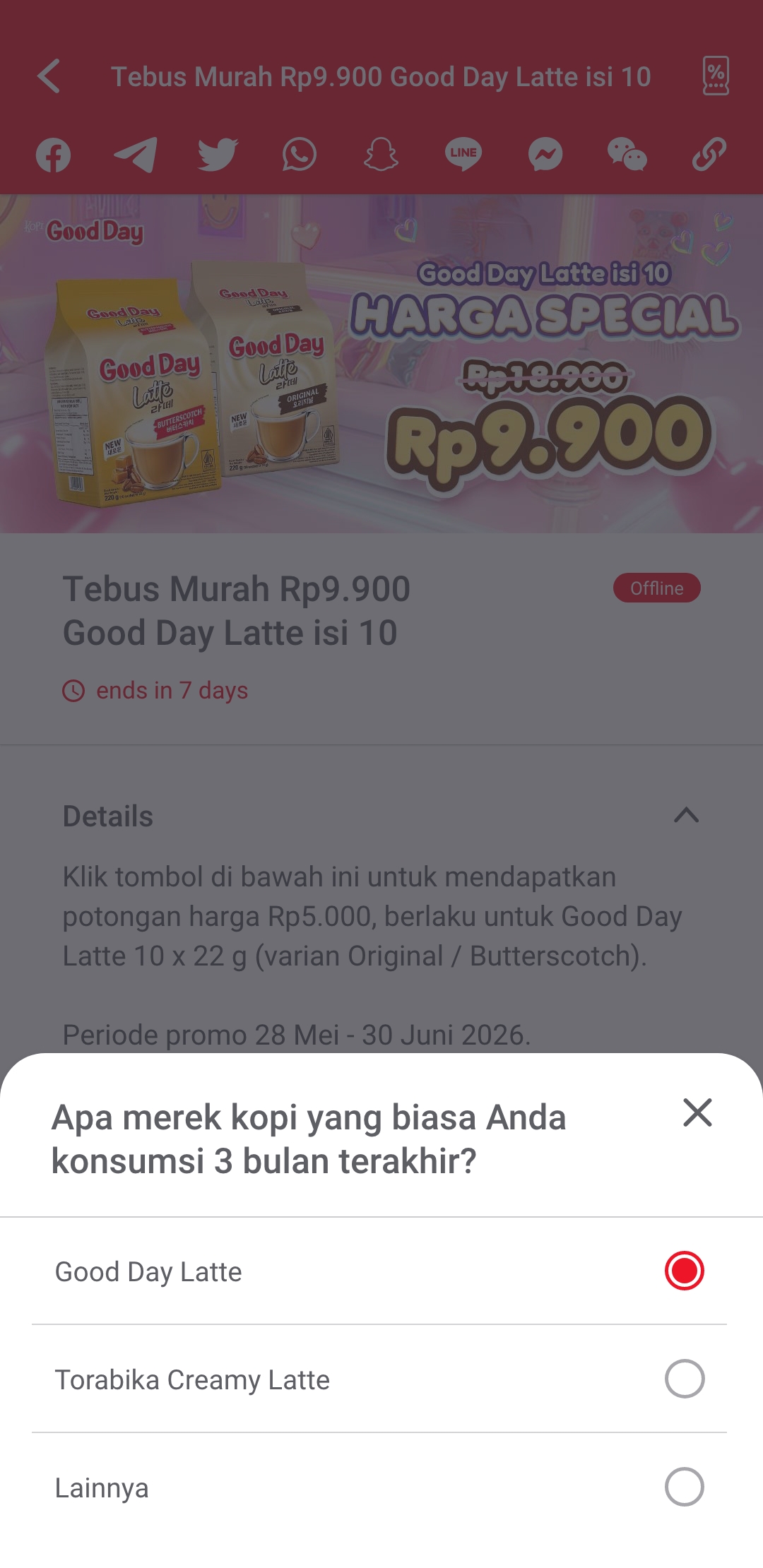
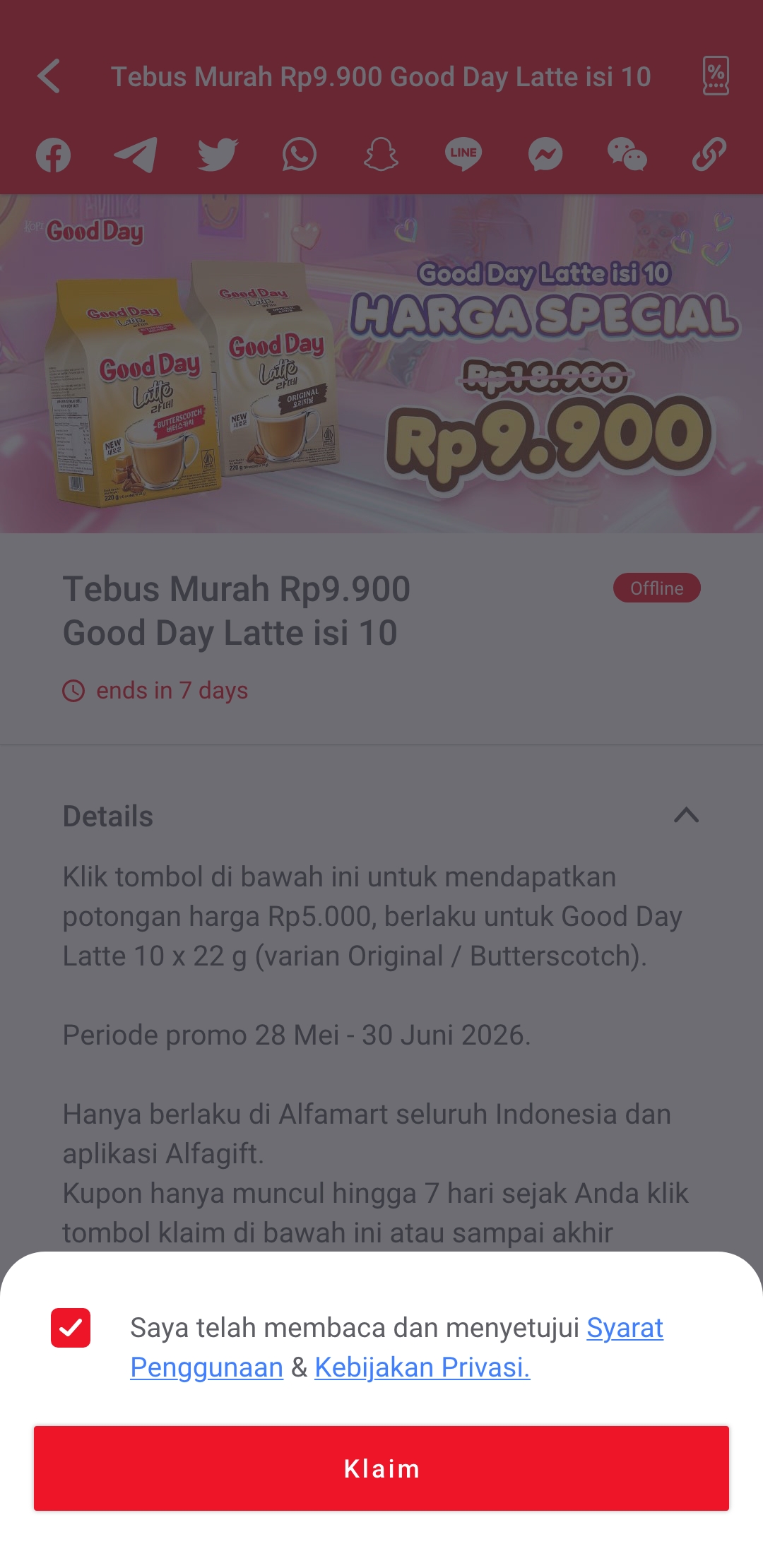
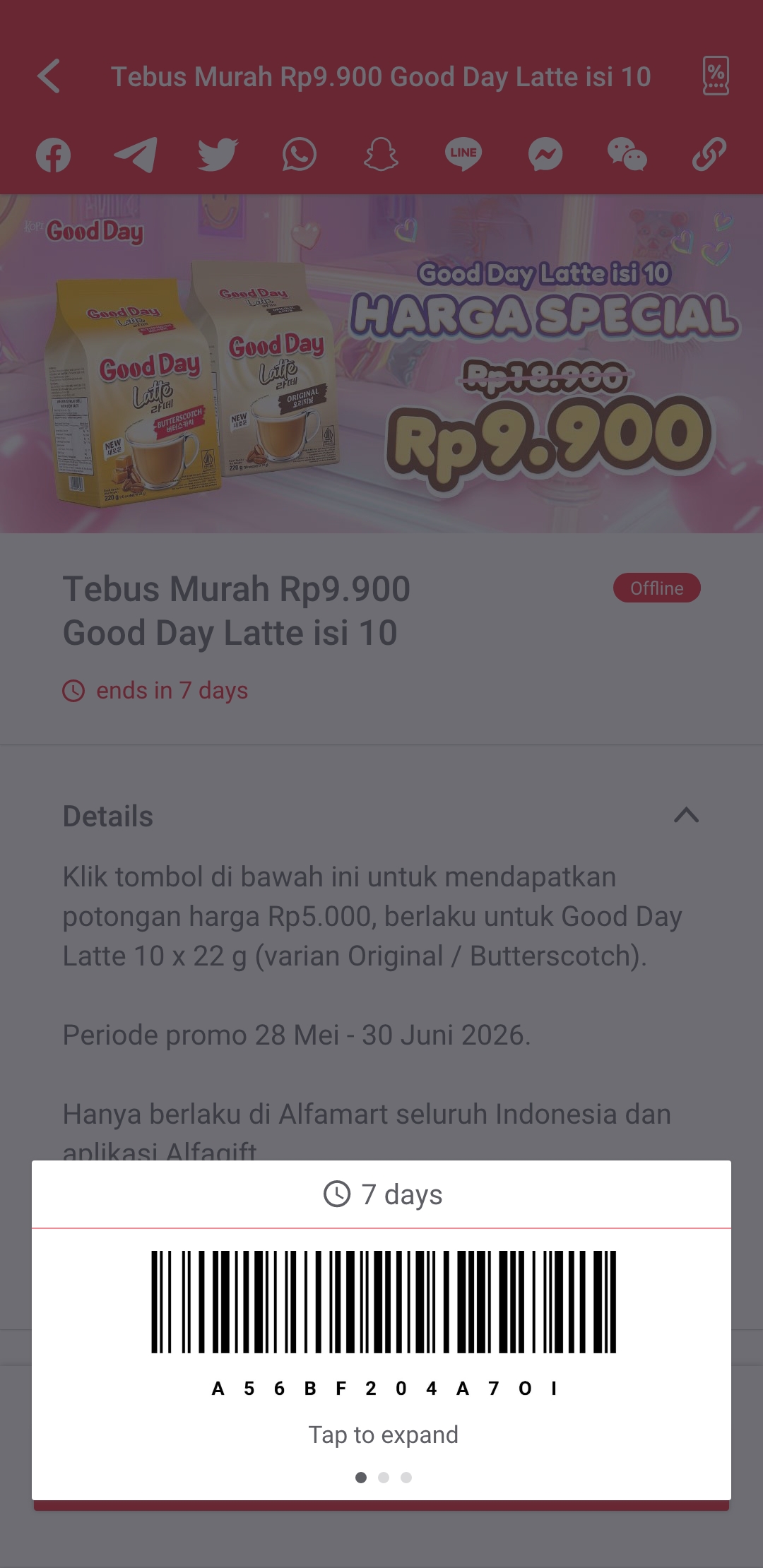
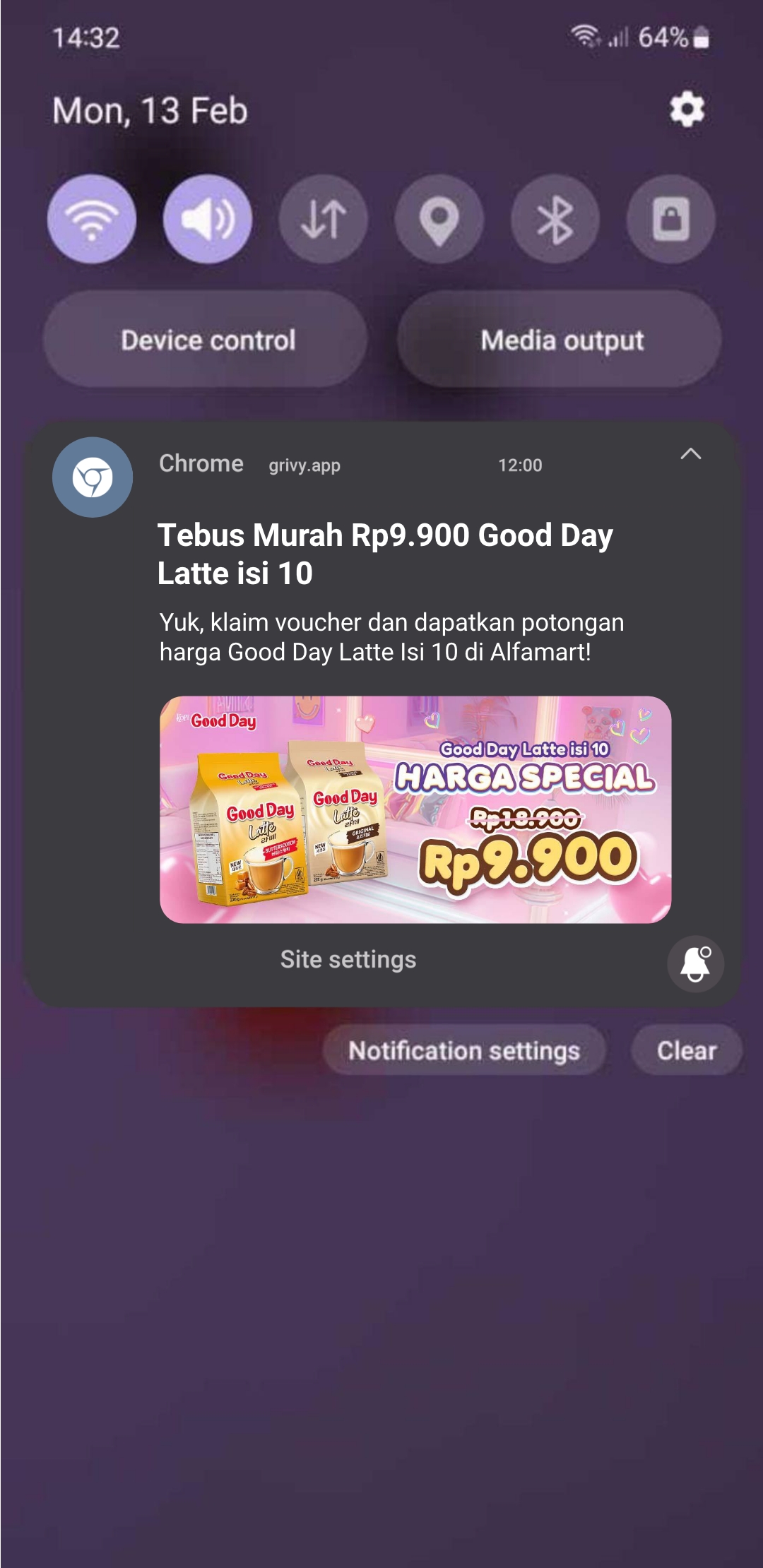
As Indonesia’s most recalled sachet coffee brand, Good Day faced an unusual challenge: with the overwhelming majority of consumers already naming it first in its category, growth could no longer come from awareness. It had to come from movement and depth. Running nationwide across Alfamart’s full store network and the Alfagift app, the campaign paired a sharpened value offer on the Good Day Latte 10-pack with a mini-survey embedded directly into the claim journey, capturing each consumer's regular coffee brand before they redeemed. Each claim added a consumer insight, while redeemed coupons provided a verified purchase signal—revealing that the majority of participants were competitor-brand redemptions, a dramatic widening of reach compared with the previous campaign.
.jpg)
Exceed target volume while proving the campaign built brand value
Good Day set out to surpass an ambitious redemption target while answering a harder question: does a price-led promotion build brand equity or simply erode it? Beyond conversion, the brand wanted to quantify the campaign's effect on recall, advocacy, brand strength, and total brand equity by measuring participants against an organic control group—turning a performance activation into a controlled read on whether value offers strengthen a market leader, and identifying which channels and audiences deserve future investment.
A data-driven funnel with an embedded mini-survey and control-group brand measurement, optimised weekly in real time.


Surpassing target volume while measurably deepening brand equity
The campaign closed well beyond its redemption target, converting a majority of all claimed coupons into verified purchases and outperforming its comparable benchmark campaign by more than twenty percentage points on redemption efficiency. The brand equity study confirmed the deeper result: campaign participants scored higher than the organic control group on total brand equity, advocacy, and brand strength, with Net Promoter Score rising from 90 to 94 despite an already near-ceiling baseline. Good Day closed the quarter with both the volume it needed and the evidence that value-led activation had made its consumers more loyal, not less.
The campaign paired strong redemption performance with encouraging brand study results. Good Day gained a clearer view of purchase behaviour, channel performance, and consumer motivations to inform future activations.