POS Truth Is Powerful — but Incomplete on Its Own
By this point, one thing should be clear: POS data is the most honest signal in commerce. It resolves uncertainty where other metrics speculate. It grounds marketing conversations in reality rather than proxies. It gives finance something concrete, verifiable, and defensible. In a landscape dominated by impressions, clicks, and modeled outcomes, POS cuts cleanly through narratives and opinion.
But POS truth, on its own, is still limited.
A transaction tells you what happened, where it happened, and when it happened. It tells you which SKU moved, at what price, in which store, and in which moment. What it does not tell you is who made that decision.
And that distinction matters more than most organizations realize.
Without identity, POS remains a powerful but anonymous signal. It can validate outcomes, but it cannot fully explain behavior. It can confirm success, but it cannot reliably guide future growth. It tells you that something happened, but not why, nor what comes next.
This is the final gap that must be closed for the invisible checkout to become not just visible, but truly strategic.
Why “Tickets” Are Not the Same as Relationships
A POS receipt is a record of an event, not a relationship.
It confirms that a purchase occurred, but it does not tell you whether that purchase was driven by trial, habit, curiosity, urgency, or necessity. It does not tell you whether this was the shopper’s first interaction with your brand or their fiftieth. It does not tell you whether they are likely to return next week, next month, or never.
For decades, brands accepted this limitation as a fact of offline commerce. Transactions were anonymous by default. Loyalty programs existed, but largely inside retailer-owned ecosystems. Panels attempted to fill the gap, but always through extrapolation and sampling.
As a result, most brands learned to live with blunt instruments: aggregate sales data paired with inferred behavior. They could see movement, but not motivation. Volume, but not loyalty. Uplift, but not retention.
That era is ending.
When the Checkout Stops Being the End of the Journey
The real transformation begins when the checkout is no longer treated as the endpoint of a funnel, but as one moment inside a broader journey.
This shift does not require invasive tracking or opaque data practices. It happens when POS events are connected to first-party identifiers legally, transparently, and through value exchanges that shoppers willingly opt into.
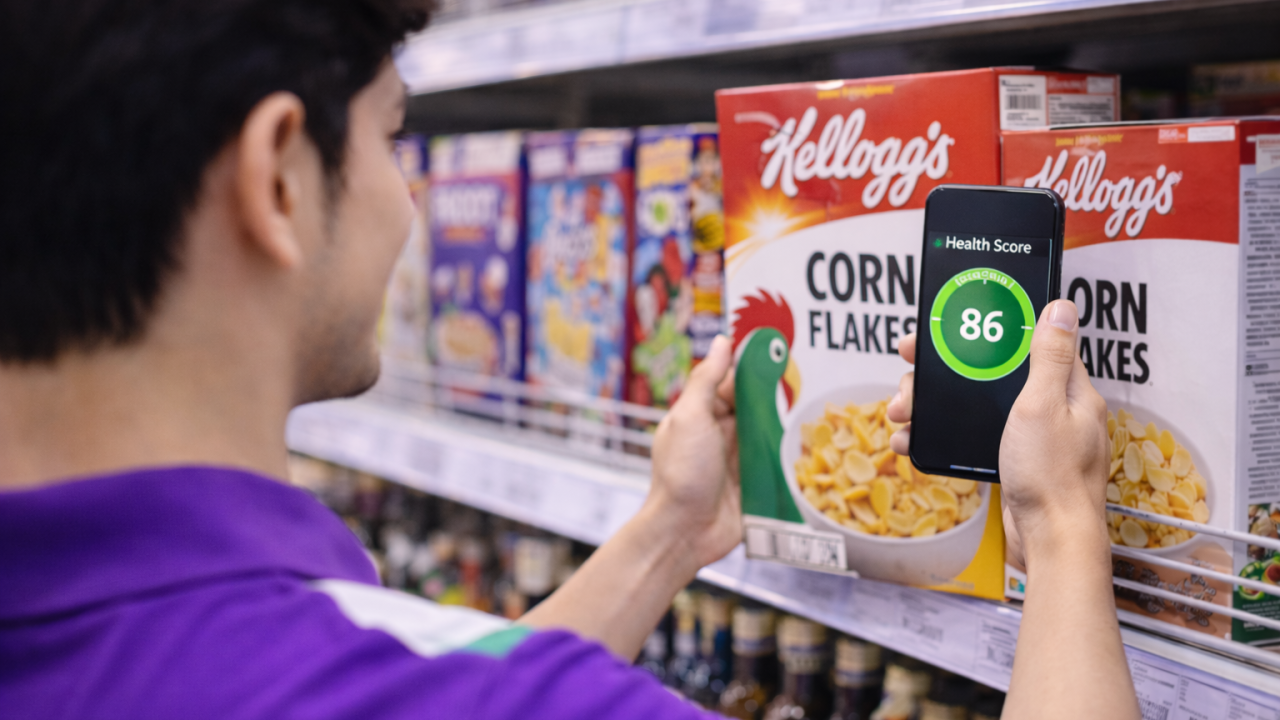
A shopper scans a QR code at shelf.
They join a simple mission.
They upload a receipt.
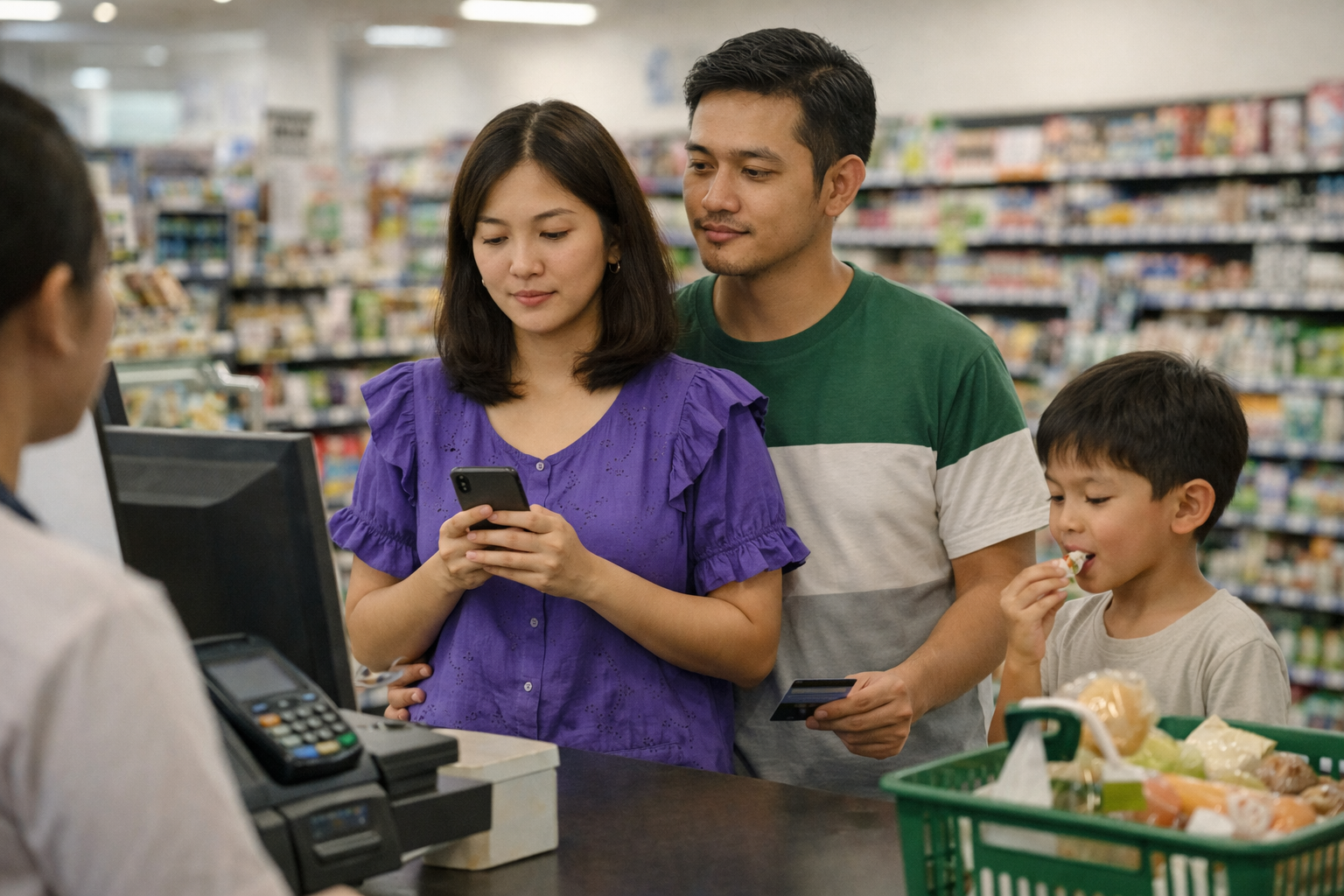
They authenticate using a phone number, a wallet, or a messaging app.
In that moment, the anonymous ticket becomes a known interaction.
The POS event is no longer just a sale. It becomes a chapter in an ongoing relationship.
This is the difference between observing transactions and understanding customers.
What Changes When Identity Meets POS
Once POS events are linked to first-party identity, an entirely new class of questions becomes answerable — not through modeling, but through observed behavior.
Brands can see which buyers are truly new to brand, not inferred through panels or assumed through campaign exposure. They can track whether those buyers return after seven, thirty, or ninety days. They can observe how shoppers migrate across SKUs: whether they trade up in size, explore variants, respond to premiumization, or remain price-sensitive.
They can see how the same shopper behaves differently in minimarkets versus hypermarkets. How purchasing patterns change between planned trips and impulse trips. How channel preference evolves over time.
This is no longer just measurement.
It is learning — grounded in truth rather than assumption.
And because that learning is anchored in verified POS events, it becomes far more reliable than any standalone digital signal.
Why This Matters in a Privacy-First World
This shift becomes even more important in a world where privacy standards are tightening.
Third-party cookies are disappearing. Device identifiers are increasingly constrained. Regulation is reshaping what data can be collected, how it can be used, and how long it can be retained.
In this environment, first-party data is often framed as the ultimate prize. But first-party data without verified purchase behavior is incomplete. It tells you who engaged, who clicked, who viewed — not who actually bought.
POS changes that equation.
When first-party identity is connected to verified offline transactions through explicit consent, brands gain something far more valuable than reach or frequency: proof of behavior.
This kind of data is durable. It is privacy-safe by design. And it becomes more valuable over time as journeys compound and patterns emerge.
When the Invisible Checkout Becomes Visible — and Actionable
At this point, the invisible checkout is no longer invisible.
It is no longer a black box at the end of the funnel. It becomes a live signal feeding insight, learning, and optimization across the organization.
Marketing sees what actually converts, not just what engages.
Sales sees where demand is real, not assumed.
Trade teams see which mechanics are additive, not destructive.
Finance sees ROI grounded in transactions, not interpretation.
The checkout becomes a shared reference point rather than an afterthought.
And once this happens, the role of marketing changes fundamentally. It stops optimizing purely for attention and starts optimizing for verified outcomes. It stops being judged on activity and starts being judged on contribution.
The beep at the till — once ignored — becomes the heartbeat of the system.
Conclusion
POS data is the most honest signal in commerce, but its real power emerges when it moves beyond anonymous transactions. When verified POS events are connected to first-party identity, brands stop guessing and start learning—turning sales data into actionable intelligence that drives smarter decisions, stronger relationships, and measurable growth.
Want to see this in action?
Grivy helps brands connect offline POS truth with first-party data to power real commerce outcomes. Contact us to explore how your checkout can become your most valuable growth signal.
.png)